

Conversations not clicks are retail’s new front door
The web, to date, has been built on pages and clicks. The next era is being built on conversations—short, goal-oriented exchanges where a shopper, an AI agent, and a business negotiate intent, details, and payment in one fluid moment.
We’re watching the shopping journey collapse from a scatter of tabs to a single dialogue: “I need a gift under $80, delivered by Friday.” The agent does the hunting and haggling; the buyer approves; the merchant fulfils. That’s not science fiction—it’s already shipping. OpenAI has announced Instant Checkout inside ChatGPT, powered by the Agentic Commerce Protocol (ACP), allowing users to transition seamlessly from discovery to purchase without leaving the chat. (OpenAI)
Why ACP matters for small business
What makes this more than a shiny demo is the standards. ACP is being positioned as the shared “grammar” for agent-led shopping: an open specification, co-developed by OpenAI and Stripe, that enables AI agents and merchant systems to communicate clearly about products, policies, checkout states, and payment handoffs. Crucially for small businesses, ACP is designed so that you remain the merchant of record—you decide whether to accept an order, process payment through your provider, and own the post-purchase service—rather than handing customers over to a marketplace intermediary. It’s open-source (Apache 2.0) and explicitly built to work across payment processors and business models. In other words, build once and participate in many agent surfaces. (OpenAI Developers)
Chat as a front door Instant Checkout inside ChatGPT
Why now? Because chat is becoming a front door to your business.
On public surfaces like ChatGPT, product results appear organically, and where a merchant supports Instant Checkout, the user taps “Buy” and confirms shipping and payment in the chat. At launch, it covers single-item purchases, with multi-item carts and regional expansion on the roadmap; early availability is focused on US buyers and sellers at the moment (Etsy is live; Shopify is “coming soon”).
The ranking is stated to be unsponsored and based on relevance, price, availability, and similar quality signals, a practical context for independents worried about pay-to-play dynamics. (OpenAI)

Google’s Vertex AI Conversational Commerce agent
Google Cloud has introduced a Conversational Commerce agent on Vertex AI—an on-site sales assistant that turns a retailer’s search bar into a guided conversation. It keeps context, asks clarifying questions, and can steer a shopper from vague intent to a basket—think “plan a weeknight dinner shop” rather than keyword bingo. That matters for small merchants whose brand is their edge: your agent sits in your house voice, on your property, shaping the experience end-to-end. (Google Cloud)
When agents pay agents, AP2 and the trust layer
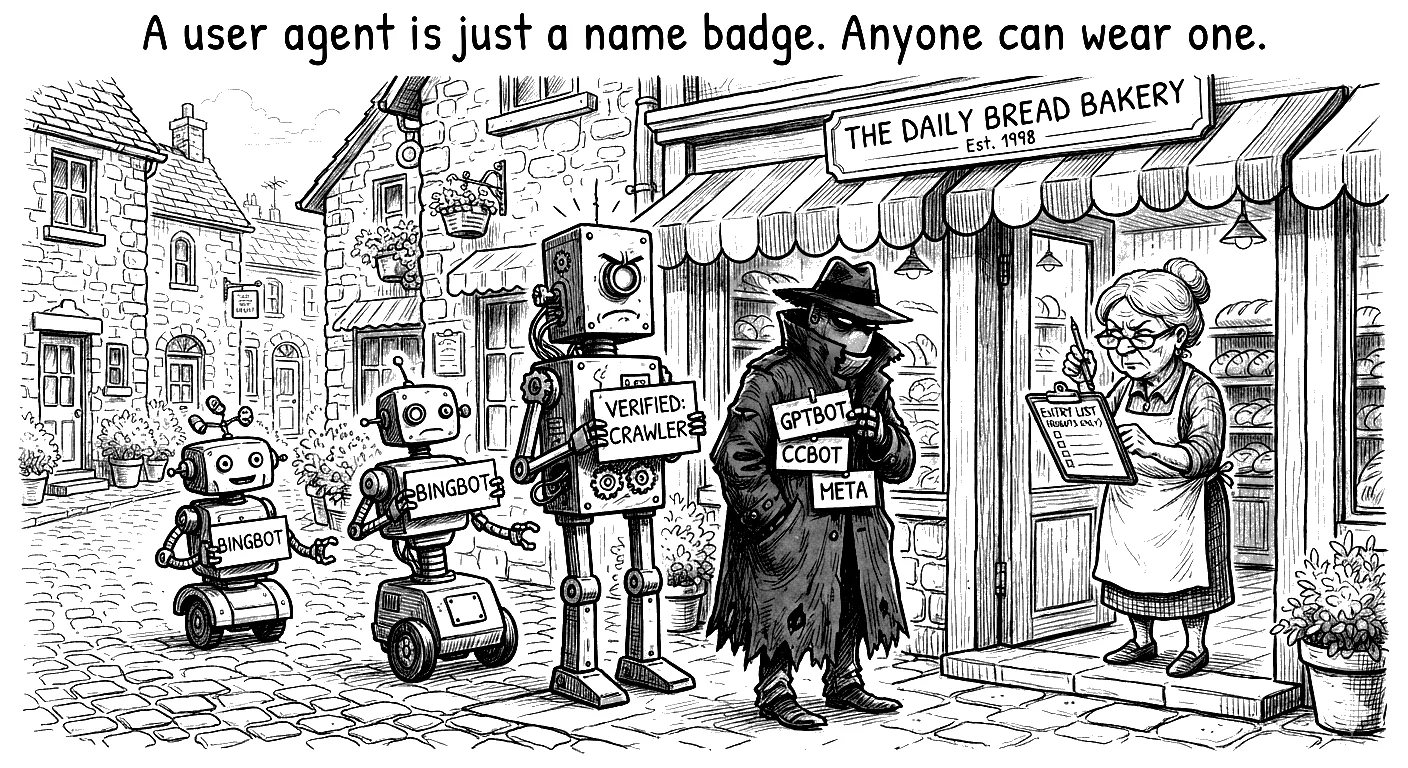
Payments, predictably, are where things get thorny. Traditional checkout flows assume a human pressing “buy” on a merchant’s page; agent-to-agent flows break that assumption. Google’s new Agent Payments Protocol (AP2) is an attempt to standardise authority and verification for agent-led payments—who’s allowed to charge, for how much, for which merchant, using which credentials—so providers can treat “good bots” differently from fraud. AP2 is positioned as open, payment-method agnostic (accepting cards, bank transfers, and even stablecoins), and has been developed in collaboration with a large coalition of networks, wallets, and PSPs.
In the long run, that’s how agents will safely pay each other—not just on behalf of people, but across supply chains and services. (Google Cloud)
Rails for agentic commerce ACP and AP2 together
Combine ACP and AP2, and you can see the rails of agentic commerce forming. ACP handles the conversational transaction—offers, policies, and checkout state—while AP2 provides a common, auditable way to pass payment authority without leaking secrets.
Stripe’s write-up frames ACP around three merchant priorities that should resonate with SMEs, that is maintaining control, avoiding bespoke integrations for every agent, and supporting more complex commerce types (subscriptions, pickups, multi-merchant carts) over time. That last point matters, a decent chunk of retail value resides in edge cases, not the happy path. (Stripe)
Where the new customer conversation lives reach and relationship
For small businesses, the strategic question isn’t “should we do chat?” It’s where the conversation can live. Public agents broaden reach—you meet the customer where they already are—while owned agents deepen relationship and margin. Expect shoppers to flow between them, asking ChatGPT for ideas on the train and then continuing with your site’s agent later that evening.
The commercial centre of gravity shifts from pages to protocols, whoever best translates human intent into structured requests (and back again) wins attention and trust. (OpenAI)
Discovery power dynamics ranking without pay to play
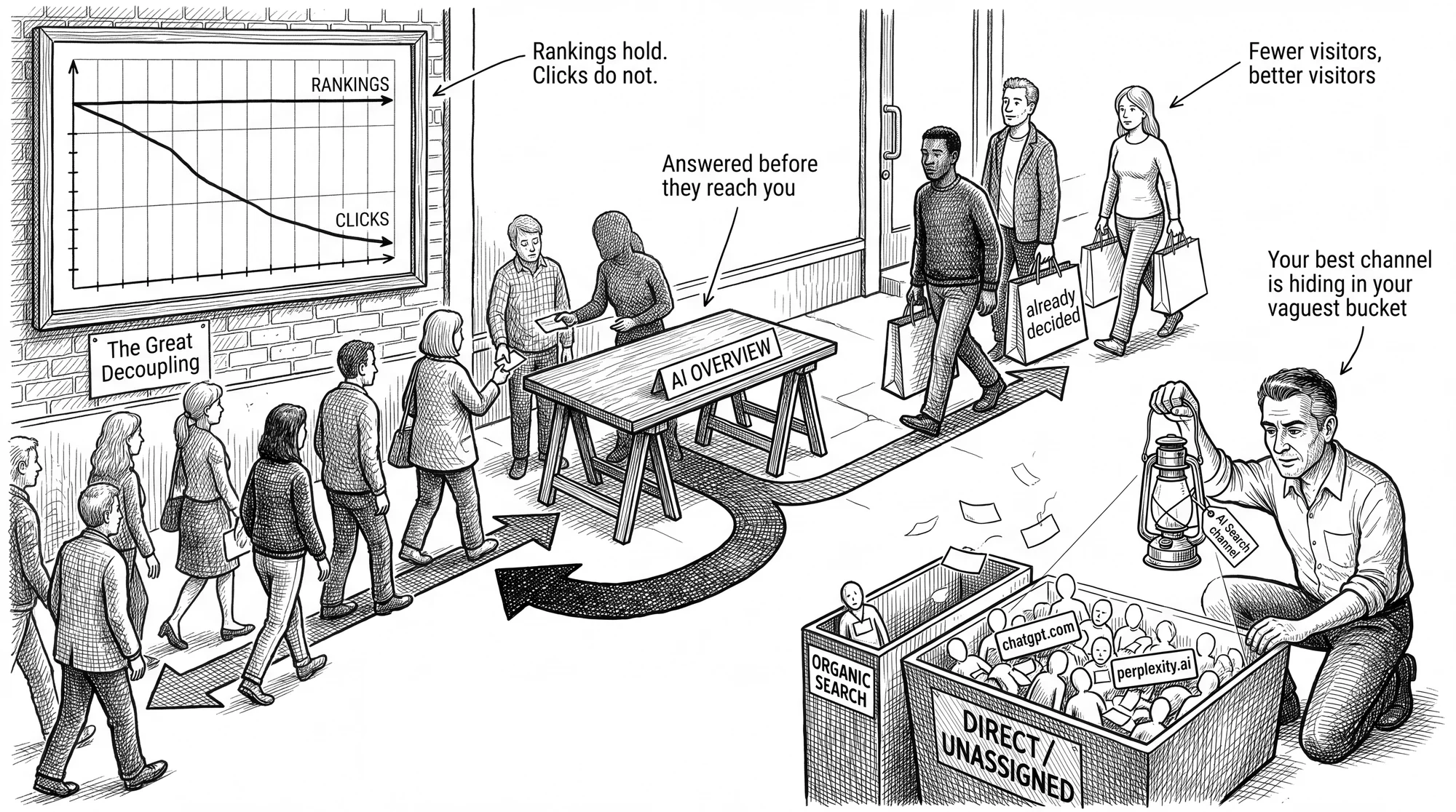
There are power-balance implications, too. Suppose product ranking in public chat truly remains unsponsored and quality-weighted. In that case, independents have a chance to be surfaced alongside bigger brands on merit—based on availability, price, authority, and relevance to the query—not just ad budget. But make no mistake, the interface owns discovery.
Your edge will be the knowledge you encode in your catalogue and policies, the clarity of your guarantees, and the distinctiveness of your voice. Agents amplify clarity and punish fuzziness. (OpenAI)
Near future scenes agent to agent retail in the wild
Zoom out, and you can squint at some plausible near-future scenes. An agent refills café supplies at 3 a.m., negotiating delivery windows across two wholesalers. Another assembles a “first-day-of-spring wardrobe” from three local boutiques and schedules try-ons. A third books a repair and bundles the spare part in the same workflow.
The underlying choreography is the same: agent talks to agent over ACP-like rails; money moves under AP2-like rules; merchants stay in control; the customer sees a single, legible conversation.
That’s the big promise, a retail internet that feels less like paperwork and more like a good shopkeeper who remembers your size and asks the right question at the right time. (OpenAI Developers)
What to watch as this unfolds isn’t a list of tasks so much as a set of tensions:
- Convenience vs. control (how far you let third-party agents speak for your brand).
- Reach vs. margin (selling inside aggregators vs. cultivating your own conversational surface).
- Openness vs. moat (do the protocols stay genuinely interoperable?).
- And the perennial: trust.
Standards can encode good behaviour—explicit confirmations, minimal data sharing, tokenised payments, logged permissions—but your reputation rides on whether the promises your agent makes are accurate, fair, and honoured.
The new commerce regime is getting built, are you ready for AI Commerce?


Leave a Reply